Wood Pellets
5 Ways European Wood Pellets Save You Money on Heating Costs
Jan
Ways European Wood Pellets Save You Money on Heating Costs | Cost-Effective Heating
Heating your home efficiently and cost-effectively is a priority for many homeowners. European Wood pellets have emerged as a viable alternative to traditional heating fuels, offering significant savings and environmental benefits. This comprehensive guide explores five ways wood pellets can reduce your heating costs, providing a detailed comparison with oil, gas, and electric heating systems.
1. Lower Fuel Costs
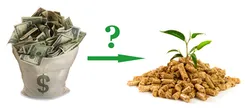
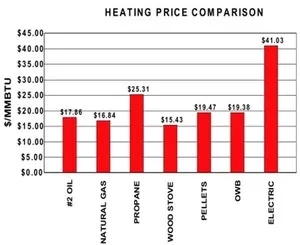
One of the primary advantages of wood pellets is their cost per unit of energy. When compared to traditional heating fuels, wood pellets often come out ahead in terms of affordability.
Cost Comparison per Million BTUs:
- Heating Oil: Approximately $35 per million BTUs.
- Electricity: Ranges from $30 to $40 per million BTUs.
- Wood Pellets: Around $20 per million BTUs.
These figures indicate that heating with wood pellets can be significantly more cost-effective than using oil or electricity.
2. Stable and Predictable Pricing
The cost of fossil fuels like oil and gas is subject to market fluctuations influenced by geopolitical events and supply constraints. In contrast, wood pellets are produced from local, renewable resources, leading to more stable and predictable pricing. This stability allows homeowners to budget more effectively for heating expenses without the concern of sudden price hikes. Buy European Wood Pellets
3. High Energy Efficiency
Modern pellet stoves and boilers are designed for optimal performance, often achieving efficiency ratings of up to 97%. This high efficiency means that more of the fuel’s energy content is converted into usable heat, reducing the overall amount of fuel needed to maintain comfortable indoor temperatures. In contrast, older oil or gas systems may operate at lower efficiency levels, leading to higher fuel consumption and costs.
4. Lower Maintenance and Operational Costs
Wood pellet heating systems are known for their reliability and low maintenance requirements. The automated feeding systems and clean-burning nature of pellets result in less residue buildup, reducing the frequency and cost of maintenance services. Additionally, many pellet stoves and boilers are designed for user-friendly operation, minimising the need for professional assistance.
5. Potential for Government Incentives
Many governments offer incentives to encourage the adoption of renewable energy sources, including wood pellet heating systems. These incentives can take the form of tax credits, rebates, or grants, effectively lowering the initial investment required for installation. By taking advantage of these programs, homeowners can further enhance the cost-effectiveness of switching to wood pellet heating.
FAQs
Q: How much can I expect to save annually by switching to wood pellet heating?
A: Savings vary based on current fuel usage and local prices, but many homeowners report annual savings of up to $2,000 when switching from oil to wood pellets. Wood Pellets
Q: Are wood pellet heating systems difficult to maintain?
A: No, modern pellet stoves and boilers are designed for ease of use and require minimal maintenance compared to traditional wood-burning systems.
Q: Do wood pellets produce a lot of ash or smoke?
A: High-quality wood pellets burn cleanly, producing minimal ash and smoke, which contributes to better indoor air quality and less frequent cleaning.
Conclusion
Transitioning to wood pellet heating offers multiple avenues for cost savings, from lower fuel expenses to reduced maintenance costs. When combined with the environmental benefits and potential government incentives, wood pellets present a compelling case as a cost-effective and sustainable heating solution.
Ready to make the switch? Explore our range of high-quality wood pellets and start saving on your heating costs today.
Switch to cost-effective heating today!:
