
Firewood
How to Choose the Best Firewood for Your Home
Jan
How to Choose the Best Firewood for Your Home | Firewood Selection Guide
Selecting the appropriate firewood is crucial for efficient home heating, cost-effectiveness, and maintaining a safe environment. This guide delves into the key factors to consider when choosing firewood, including wood type, moisture content, and burning efficiency, to help you make an informed decision for your home.
Understanding Wood Types
Firewood is generally categorised into two types: hardwoods and softwoods.
Hardwoods: Derived from deciduous trees like oak, ash, and birch, hardwoods are denser and provide a longer, hotter burn. This makes them ideal for home heating. For instance, oak is renowned for its high heat output and long burn time, making it a popular choice for fireplaces and wood stoves.
Softwoods: Sourced from coniferous trees such as pine and fir, softwoods ignite quickly but burn faster and at lower temperatures compared to hardwoods. They are often used as kindling to start fires but are less efficient for sustained heating.
Importance of Moisture Content
The moisture content of firewood significantly impacts its burning efficiency.
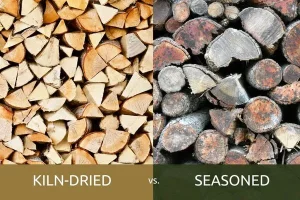
Seasoned Wood: This refers to wood that has been dried to reduce its moisture content, typically through air-drying for 6 to 24 months, depending on the wood type. Properly seasoned wood should have a moisture content below 20%, ensuring efficient burning and higher heat output.
Kiln-Dried Wood: Kiln drying involves drying wood in a kiln, resulting in lower and more consistent moisture levels (10-20%) compared to air-seasoned wood. This process enhances burning efficiency and reduces creosote buildup in chimneys.
Wet or Green Wood: Freshly cut wood, known as green wood, contains high moisture levels (often above 50%), leading to inefficient burning, increased smoke production, and creosote accumulation, which can pose safety hazards.
Burning Efficiency and Heat Output
The efficiency of firewood is measured by its heat output, commonly expressed in British Thermal Units (BTUs).
High BTU Woods: Hardwoods like oak and hickory have high BTU ratings, providing substantial heat and longer burn times, making them excellent choices for home heating.
Medium BTU Woods: Woods such as birch and maple offer moderate heat output and are suitable for milder climates or transitional seasons.
Low BTU Woods: Softwoods like pine and fir have lower BTU ratings, resulting in less heat and shorter burn durations, making them less ideal for primary heating purposes.
Additional Considerations
- Storage: Proper storage is essential to maintain the quality of your firewood. Store wood off the ground in a well-ventilated, covered area to protect it from moisture and pests.
- Wood Size: Splitting wood into appropriate sizes facilitates better air circulation during burning, enhancing combustion efficiency.
- Local Availability: Choosing locally sourced wood supports the local economy and reduces the environmental impact associated with transportation.
Recommended Firewood Types
Here are some top firewood choices for home heating:
Oak
A dense hardwood known for its high heat output and long burn time, making it ideal for sustained heating.
Ash
Offers excellent burning characteristics with a steady flame and good heat production; it also seasons faster than other hardwoods.
Birch
Easy to light and burns quickly with a bright flame; suitable for mixing with other slower-burning woods.
Maple
Provides good heat and burns cleanly; it’s a versatile hardwood suitable for various heating needs.
Cherry
Burns well with a pleasant aroma and produces a steady heat; also adds a nice fragrance to your home.
FAQs
1. What is the ideal moisture content for firewood?
The ideal moisture content for firewood is below 20%, which ensures efficient burning and higher heat output.
2. How can I determine if my firewood is properly seasoned?
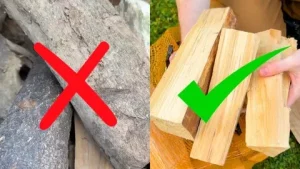
Properly seasoned firewood is typically lighter in weight, has visible cracks on the ends, and produces a hollow sound when struck together.
3. Is it safe to burn softwoods in my fireplace?
While softwoods can be used, they burn faster and produce more creosote, which can lead to chimney buildup. It’s generally recommended to use hardwoods for home heating.
4. How should I store firewood to maintain its quality?
Store firewood off the ground in a well-ventilated, covered area to protect it from
Conclusion
Selecting the best firewood for your home involves considering the wood type, ensuring low moisture content, and understanding the burning efficiency to meet your heating needs. Opting for seasoned or kiln-dried hardwoods like oak or ash will provide optimal heat output and efficiency, ensuring a warm and safe home environment.
Order premium firewood today

Pingback: The Benefits of Using Kiln Dried Firewood Over Traditional Firewood