
Wood Briquettes
Top Tips for Using Wood Briquettes Efficiently This Winter

Jan
Top Tips for Using Wood Briquettes Efficiently This Winter | Efficient Heating
Heating your home efficiently during the cold European winters is essential for comfort and cost savings. Wood briquettes offer a sustainable and effective solution for home heating. This comprehensive guide provides practical tips to maximise the efficiency of wood briquettes, ensuring you stay warm while optimising fuel usage.
1. Choose High-Quality Wood Briquettes
Selecting premium wood briquettes is the first step toward efficient heating. Look for briquettes with low moisture content, ideally below 10%, as higher moisture levels can reduce heat output and increase smoke production. High-density briquettes made from hardwoods tend to burn longer and provide more consistent heat.
Key Considerations:
- Moisture Content: Opt for briquettes with moisture levels under 10% for optimal combustion.
- Density: High-density briquettes offer extended burn times and steady heat output.
- Composition: Choose briquettes made from pure wood without additives or binders to ensure clean burning.
2. Store Briquettes Properly
Proper storage of wood briquettes preserves their quality and heating efficiency. Keep them in a dry, well-ventilated area to prevent moisture absorption, which can compromise their performance. Elevate briquettes off the ground and use moisture-resistant covers or containers for added protection.
Storage Tips:
- Location: Store briquettes indoors or in a sheltered area away from direct moisture sources.
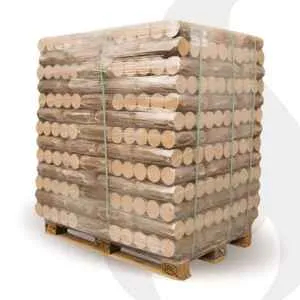
- Elevation: Place briquettes on pallets or shelves to avoid ground moisture.
- Protection: Use breathable covers to shield briquettes from humidity while allowing air circulation.

3. Prepare Your Heating Appliance
Ensuring your stove or fireplace is in optimal condition enhances the efficiency of wood briquettes. Regular maintenance, such as cleaning ash and soot buildup, allows for better airflow and combustion. Check seals and gaskets to prevent heat loss and ensure safe operation.
Maintenance Checklist:
- Cleaning: Remove ash and debris regularly to maintain proper airflow.
- Inspection: Examine components for wear and replace as needed to maintain efficiency.
- Professional Service: Schedule annual inspections by certified technicians to ensure safe and efficient operation.
4. Use Appropriate Kindling and Fire Starters
Starting a fire with suitable kindling and fire starters ensures quick ignition and reduces smoke. Dry, untreated wood sticks or natural firelighters are ideal choices. Avoid using paper or glossy materials, as they can produce excessive smoke and residue.
Starting Your Fire:
- Kindling: Use small, dry sticks to create a stable base for your fire.
- Fire Starters: Opt for natural, chemical-free firelighters to promote clean ignition.
- Arrangement: Build a teepee or log cabin structure with kindling to encourage airflow and efficient burning.
5. Optimise Airflow for Efficient Combustion
Proper airflow is crucial for the efficient burning of wood briquettes. Adjust the air vents on your stove or fireplace to control the oxygen supply, which influences the burn rate and heat output. Start with vents fully open to establish the fire, then reduce airflow to maintain a steady burn.
Airflow Management:
- Initial Ignition: Open vents fully to supply ample oxygen for starting the fire.
- Sustained Burn: Once established, adjust vents to control the burn rate and heat output.
- Monitoring: Observe the flame and adjust airflow to prevent incomplete combustion and excess smoke.
6. Load Briquettes Correctly
Proper loading of briquettes ensures efficient burning and heat distribution. Avoid overloading the firebox, as this can restrict airflow and reduce efficiency. Instead, add briquettes gradually, allowing each to ignite fully before adding more.
Loading Tips:
- Quantity: Start with 1-2 briquettes and add more as needed to maintain desired heat levels.
- Placement: Place briquettes with space between them to facilitate airflow.
- Monitoring: Add briquettes as the fire diminishes to maintain consistent heat without smoldering.
7. Monitor and Maintain the Fire
Regular monitoring of your fire allows for adjustments to maintain optimal efficiency. Use stove thermometers to track temperatures and ensure the appliance operates within recommended ranges. Adjust airflow and fuel load as needed to sustain efficient combustion.
Monitoring Practices:
- Temperature Checks: Use a stove thermometer to maintain ideal operating temperatures.
- Adjustments: Modify air vents and fuel quantity based on temperature readings and heat needs.
- Safety: Never leave a burning fire unattended and ensure proper ventilation to prevent carbon monoxide buildup.
8. Utilise Ash for Added Benefits
Wood ash from briquettes can be repurposed for various household and garden applications. Once cooled, ash can enrich compost, deter pests, or provide traction on icy surfaces. Ensure ash is free from contaminants before use.
Ash Utilisation Ideas:
- Garden Fertiliser: Sprinkle cooled ash to add nutrients to soil.
- Pest Deterrent: Create barriers to repel slugs and snails.
- Ice Melt: Apply to walkways to improve traction during icy conditions.
9. Safety Considerations
Safety is paramount when using wood briquettes for heating. Install smoke and carbon monoxide detectors in your home and test them regularly. Keep a fire
FAQs: Using Wood Briquettes Efficiently This Winter
1. What Are the Best Wood Briquettes for Winter Heating?
The best wood briquettes for winter heating are low-moisture, high-density briquettes made from pure hardwoods. These briquettes burn longer, produce consistent heat, and generate minimal ash. Look for products with moisture content below 10% and certifications like FSC for quality assurance.
2. How Do I Store Wood Briquettes to Prevent Moisture?
Proper storage is essential to maintain the quality and efficiency of wood briquettes.
- Tips for Storage:
- Keep briquettes in a dry, well-ventilated area, away from direct moisture sources.
- Store them off the ground on pallets or shelves to prevent contact with damp surfaces.
- Use moisture-resistant covers that allow air circulation to avoid humidity buildup.
3. Can Wood Briquettes Be Used in Any Type of Fireplace?
Yes, wood briquettes are versatile and compatible with most stoves, fireplaces, and boilers. However, it’s essential to:
- Check the manufacturer’s guidelines for your heating appliance to ensure compatibility.
- Use the appropriate airflow settings to maximise efficiency and prevent incomplete combustion.
Order wood briquettes online now

Pingback: The Sustainability of Wood Briquettes: A Renewable Heating Solution
Pingback: Wood Briquettes vs. Firewood: Which Is Better for Your Fireplace?